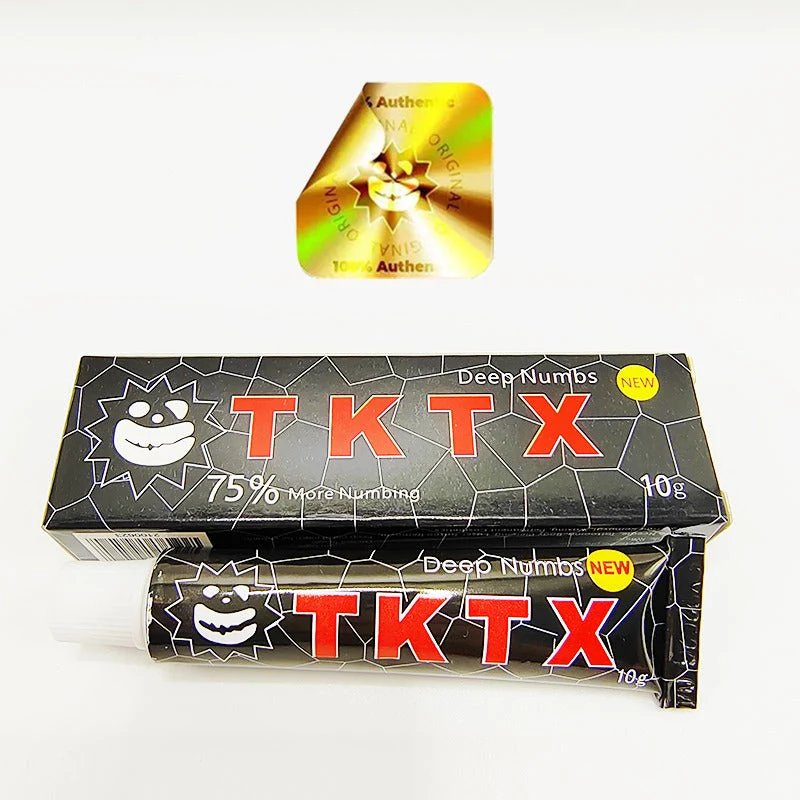
Numbing creams have become essential for anyone preparing for getting tattoos inked, laser treatments, or cosmetic procedures. Yet many people unknowingly reduce their effectiveness through simple errors during the application process. Understanding these common mistakes can help you achieve better pain relief and avoid unnecessary discomfort or skin reactions during your procedure.
Many users reach for products like TKTX numbing cream expecting immediate results, only to feel disappointed when the anaesthetic effect falls short. The problem often lies not with the product itself but with how it’s applied. From timing issues to incorrect skin preparation, these missteps can significantly impact your comfort level. Learning the proper techniques ensures you get the maximum benefit from your topical anaesthetic when you need it most.
Applying Too Little Product
Insufficient Coverage Creates Patchy Results: One of the most frequent errors involves using too thin a layer of numbing cream. Many people apply just a small amount, assuming it will spread and penetrate effectively. The active ingredients in topical anaesthetics need adequate concentration on the skin surface to work properly. A thick, opaque layer covering the entire treatment area ensures consistent numbness across all zones.
Proper Application Thickness Matters: You should apply enough cream so you cannot see your skin underneath. Think of spreading butter on toast rather than just brushing it lightly across the surface. The recommended amount typically equals a thick, generous coating that stays in place without running. This allows the anaesthetic compounds to penetrate effectively and reach the nerve endings.
Not Testing for Allergic Reactions
Patch Testing Prevents Serious Complications: Skipping a patch test represents a serious oversight that could lead to uncomfortable allergic reactions. Your skin might react badly to lidocaine, prilocaine, or other active ingredients without warning. Testing a small amount on your inner forearm or behind your ear 24 hours before your main application reveals any sensitivities. This simple step takes minutes but could save you from rashes, swelling, or severe irritation.
Using on Broken or Damaged Skin
Compromised Skin Barriers Increase Risks: Applying a numbing cream to cuts, scrapes, or irritated skin allows excessive absorption into your bloodstream. Your skin normally controls how much anaesthetic penetrates, but damaged areas lack this protective barrier. The increased absorption can lead to systemic effects like dizziness, irregular heartbeat, or other concerning symptoms. Always ensure your skin is intact and healthy before application.
Leaving It on for Too Long
Excessive Application Time Causes Problems: Many people believe leaving numbing cream on longer will enhance its effectiveness. This misconception leads to prolonged exposure that can irritate your skin or cause unwanted side effects. Most products work optimally within 30 to 60 minutes, with diminishing returns after that point. Extended contact may result in blanching, redness, or chemical burns rather than improved anaesthesia.
Following Timing Guidelines Ensures Safety: Each product comes with specific instructions about application duration based on its formulation and concentration. Understanding transdermal absorption rates helps you appreciate why timing matters for both effectiveness and safety. Removing the cream at the recommended time prevents adverse reactions whilst maintaining adequate numbness for your procedure. Set a timer rather than guessing when enough time has passed.
Ignoring Product Guidelines and Instructions
Manufacturer Instructions Exist for Valid Reasons: Perhaps the most preventable mistake involves disregarding the directions provided with your numbing cream. These guidelines reflect clinical testing and safety evaluations specific to that formulation. Instructions about application thickness, duration, occlusive dressing use, and removal procedures protect you from complications. Reading and following them carefully ensures you use the product as intended.
Expecting It to Work for Deep Pain
Topical Anaesthetics Have Specific Limitations: Numbing creams work effectively for surface-level procedures but cannot block deep tissue pain. They affect nerve endings in your skin’s upper layers, making them perfect for tattoos, injections, or laser treatments. Deep muscle aches, joint pain, or surgical procedures require different pain management approaches. Understanding these limitations prevents disappointment and helps you set realistic expectations.
See also: Company Formation Checklist for First-Time Entrepreneurs
Skipping Proper Skin Preparation
Clean Skin Ensures Better Penetration: Applying numbing cream to dirty or oily skin reduces its effectiveness considerably. Makeup, moisturisers, sunscreen, and natural oils create barriers that prevent proper absorption. Cleansing your skin thoroughly with mild soap removes these obstacles and allows the anaesthetic compounds to penetrate efficiently. Pat your skin dry rather than rubbing it vigorously, which could cause irritation.
Hair Removal Improves Product Contact: Dense hair in the treatment area can interfere with numbing cream application and effectiveness. Consider the following preparation steps for optimal results:
- Shave or trim hair in the treatment area 24 hours before application to avoid irritation from fresh shaving.
- Cleanse the area with antibacterial soap to reduce infection risks and remove surface oils.
- Ensure skin is completely dry before applying cream, as moisture dilutes the product.
- Avoid applying lotions or other products immediately before using numbing cream.
- Remove any adhesive residue from previous dressings that might block absorption.
Temperature Affects Absorption Rates: Your skin temperature influences how quickly numbing cream works. Warm skin allows faster penetration through improved blood flow, whilst cold skin slows absorption. Room temperature skin provides the most predictable results for timing your procedure. Avoid hot showers immediately before application, as vasoconstriction from temperature changes can affect how the anaesthetic compounds work.
Conclusion
Avoiding these seven mistakes transforms your experience with numbing cream from frustrating to effective. Proper application techniques, careful preparation, and following product guidelines ensure you achieve the pain relief you’re seeking. Take time to understand your chosen product’s specific requirements rather than making assumptions. Ready to use numbing cream correctly? Start by reading your product’s instructions thoroughly and preparing your skin properly for your next treatment.