Choosing the right lighting for your fountain feels like a small decision until you’re standing in the store aisle staring at dozens of available options. LED or halogen? Does it really matter? The short answer is yes. The long answer is a bit more complicated, but stick around because picking the wrong type can cost you time, money, and a lot of frustration down the road.
Most people assume all fountain lights work the same way. You plug them in, they glow, and your water feature looks great at night. But the truth is, the type of bulb you choose affects everything from your electric bill to how often you’ll need to climb into your pond to replace a burned-out light. LEDs and halogens are built differently, perform differently, and age differently. One might save you money over time, while the other gives you the exact color temperature you’ve been dreaming about.
Let’s start with the basics. Halogen lights have been around forever. They’re bright, they’re warm, and they give off that classic golden glow that makes water shimmer beautifully. You’ve probably seen them in older outdoor setups or commercial fountains. They work by heating a tungsten filament inside a small bulb filled with halogen gas. Simple technology, nothing fancy. But here’s the catch: all that heat means they burn through energy fast and don’t last nearly as long as their LED counterparts.
LEDs are the newer kid on the block, though they’ve been mainstream for years now. They use semiconductors to produce light, which sounds technical but really just means they don’t waste energy on heat. They run cool, sip electricity, and can last for years without needing a replacement. Some people swear by them. Others feel like the light quality just isn’t the same as halogen. It’s one of those debates that depends on what matters most to you.
Energy Use and Operating Costs
Here’s where things get interesting. Halogen lights pull a lot more power than LEDs. If you’re running your fountain lights every night for several hours, that difference adds up fast on your electric bill. LEDs use a fraction of the wattage to produce the same amount of brightness. Some estimates say they use up to 75% less energy, which is a big deal if you care about keeping costs down or reducing your environmental footprint.
But maybe you don’t run your lights that often. Maybe you only flip them on for special occasions or weekend gatherings. In that case, the energy savings might not matter as much to you. Halogens could work fine, especially if you already have the fixtures and don’t want to invest in new ones. It’s not always black and white.
Lifespan and Maintenance
This is where LEDs really pull ahead. A typical halogen bulb might last anywhere from 2,000 to 4,000 hours. That sounds like a lot until you realize how quickly those hours rack up if you use your fountain regularly. You’ll be swapping bulbs every year or two, depending on usage. And if your lights are submersible fountain pumps integrated units, changing bulbs can be a real hassle. You have to drain the water, pull out the fixture, replace the bulb, and put everything back. Not fun.
LEDs can last 25,000 to 50,000 hours or more. That’s years of use before you need to think about replacements. Less maintenance, less hassle, and fewer trips to the hardware store. For someone who just wants their fountain to look good without constant upkeep, that’s a huge advantage. But there’s a trade-off. LEDs cost more upfront. You’ll pay more per unit compared to halogen, so if budget is tight right now, that initial price difference might sting.
See also: Embracing Sustainable Living: A Holistic Approach to Eco-Friendly Practices
Light Quality and Color Options
Halogen gives you a warm, natural light that some people find more pleasing to the eye. It’s closer to traditional incandescent lighting, and it makes water features look soft and inviting. If you’re going for a classic look or you want your pond to feel cozy and natural, halogen might be the way to go. The color rendering is excellent, meaning everything looks true to life under that glow.
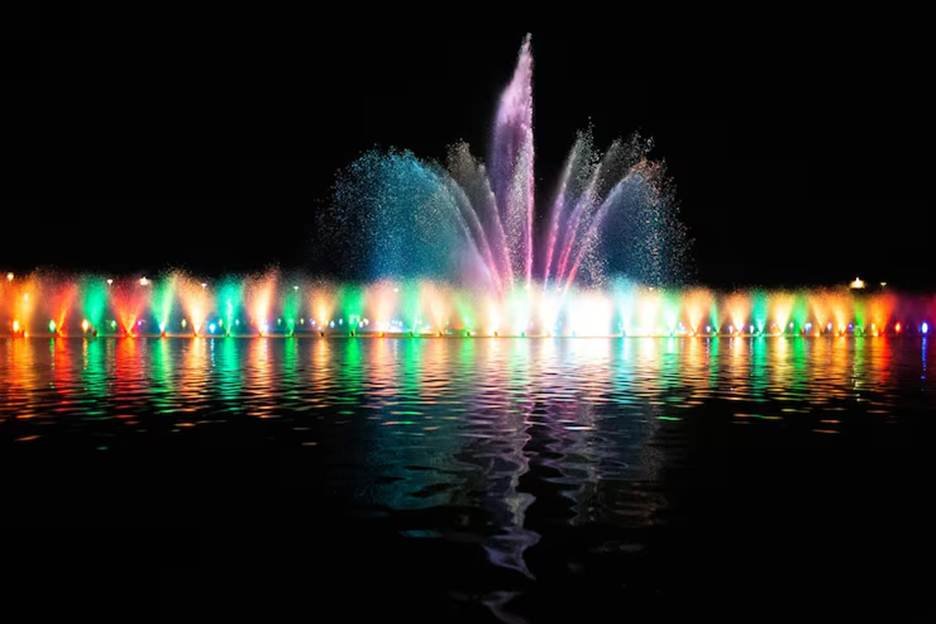
LEDs have come a long way in terms of color quality, but they’re still different. The light can feel cooler or more clinical depending on the color temperature you choose. Some LEDs lean blue or white, which gives a modern, crisp appearance. Others offer warm white options that try to mimic halogen, though purists will tell you it’s not quite the same. On the flip side, LEDs give you way more flexibility. You can find color-changing options, dimming features, and all sorts of customization that halogens just can’t match.
If you want your fountain to shift colors for different moods or occasions, LEDs are pretty much your only option. Halogens don’t do that. You get what you get, and that’s it. So it depends on whether you value versatility or that specific warm glow.
Heat Output and Safety
Halogen bulbs get hot. Really hot. That’s just how they work. The heat isn’t usually a problem in outdoor fountain setups since water helps dissipate it, but it’s something to keep in mind. If your fixture isn’t designed to handle high temperatures or if you’re using plastic components nearby, you could run into issues over time. The heat can also affect the water temperature slightly, which probably won’t matter for decorative fountains but might be a concern if you have fish or plants.
LEDs stay cool. They produce almost no heat, which makes them safer and easier to work with. You don’t have to worry about burns if you touch them during maintenance, and there’s less risk of damage to surrounding materials. For anyone with kids or pets who might get curious around the fountain, that peace of mind is worth considering.
Installation and Compatibility
Most fountain lighting systems are built to accommodate either type, but it’s worth checking your existing setup before you buy. Some older fixtures are designed specifically for halogen bulbs and might not work well with LED replacements. The voltage requirements can differ, and you might need a new transformer or driver to make LEDs work properly. That adds to the cost and complexity.
If you’re starting from scratch or upgrading your whole system anyway, LEDs are usually the better long-term choice. But if you already have halogen fixtures and they’re working fine, switching might not be worth the hassle unless you’re ready for a full overhaul. Sometimes it’s easier to stick with what you have until something breaks.
Environmental Impact
LEDs are cleaner in almost every way. They use less energy, which means less demand on power plants and fewer emissions. They also don’t contain hazardous materials like some older lighting technologies. Halogens aren’t terrible, but they’re less efficient and need replacing more often, which means more waste over time. If sustainability matters to you, LEDs are the obvious pick.
That said, not everyone prioritizes environmental concerns when choosing fountain lights, and that’s okay. Some people just want their fountain to look nice without overthinking the details. There’s no wrong answer here, just different priorities.
Making the Decision
So which one should you choose? If you want low maintenance, energy savings, and long-term cost reduction, go with LEDs. They’re the smarter investment if you’re thinking years down the line. The upfront cost is higher, but you’ll make it back through lower electric bills and fewer replacements. Plus, the color options and flexibility are hard to beat if you like tinkering with your setup.
If you prefer the warm, natural light of halogen and you don’t mind changing bulbs more often, then stick with what works. Halogens are still a solid choice for certain applications, especially if you’re on a tight budget right now or you already have compatible fixtures. They’re also great if you’re renting or don’t plan to keep the fountain long-term.
Think about how you actually use your fountain. Do you run it every night, or just occasionally? Do you care about energy costs, or is that not a factor for you? Are you comfortable doing maintenance, or do you want something that just works without constant attention? Your answers to these questions will point you in the right direction.
There’s no universal best option. Both types have their place. Just pick the one that fits your situation, your budget, and your vision for how you want your fountain to look and perform.