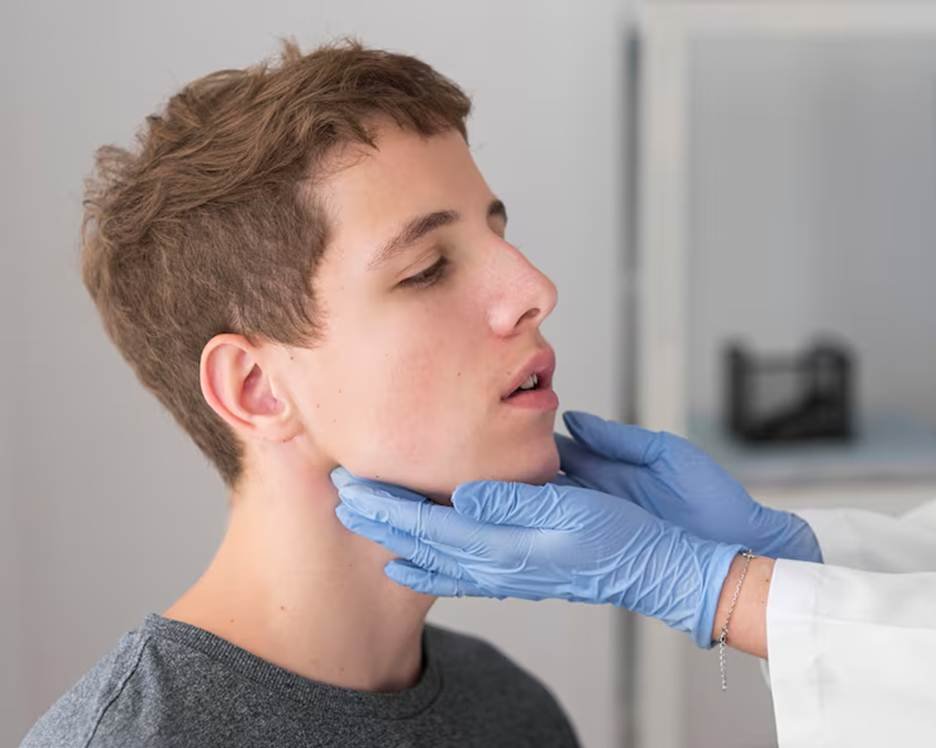
An overbite happens when your upper front teeth overlap your lower teeth more than normal. Some people have mild cases that don’t bother them at all. Others struggle with eating, speaking, or just feeling self-conscious about their smile. The condition affects how your jaw aligns and functions over time. Many people don’t realize that untreated overbites can lead to worn teeth, jaw pain, and ongoing dental problems down the road. Understanding what’s involved in correction helps you decide whether treatment makes sense for your situation.
Alternative to Jaw Surgery for Overbite and Why It Matters
An alternative to jaw surgery for overbite exists for many people dealing with mild to moderate misalignment. Not every overbite requires surgical intervention, and that’s important to understand upfront. Your orthodontist evaluates your specific case to determine the best path forward. Some patients benefit from traditional braces that gradually shift teeth into proper alignment. Others find that clear aligners work better for their lifestyle and comfort level. The severity of your overbite determines which alternatives actually work for your situation. Mild cases often respond well to non-surgical options. Severe misalignments sometimes need surgery regardless of what other treatments you try first. Your dental professional should explain all possibilities before recommending any specific approach.
Exploring Orthodontic Braces as a Primary Option
Braces remain one of the most effective alternatives to jaw surgery for overbite correction. Metal braces, ceramic braces, and lingual braces all work by applying consistent pressure to move teeth gradually. Treatment takes time, typically ranging from months to a few years, depending on your case. Your teeth shift into better alignment slowly but surely. Regular adjustments fine-tune the process and keep things moving in the right direction. Braces work for many people without requiring surgical intervention. Some patients experience discomfort during adjustment appointments, but manage it with over-the-counter pain relief. Food restrictions apply since certain foods can damage braces. Cleaning your teeth requires extra attention and special tools. Many people find braces worth the temporary inconvenience when they see their smile improving.
See also: The Wellness Revolution: Harnessing the Power of Holistic Health for
Clear Aligners as a Discreet Alternative
Clear aligners offer another alternative that appeals to adults concerned about their appearance during treatment. These custom-made trays fit snugly over your teeth and gradually move them into alignment. You switch to a new tray every couple of weeks as your teeth shift. Treatment timelines vary but often take similar timeframes as traditional braces. The main advantage is that aligners are nearly invisible during daily life. You remove them to eat and drink, making dietary restrictions less of an issue. Cleaning remains easier than with fixed braces. Compliance matters with aligners since they only work when you wear them consistently. Some orthodontists recommend aligners for mild to moderate overbites. Severe cases might not respond adequately to this approach alone.
Combination Approaches and Phased Treatment
Many orthodontists recommend starting with conservative treatment before considering surgery. You might begin with braces or aligners to see how much correction happens naturally. Some patients achieve acceptable results through these methods alone. Others find that their overbite improves partially, reducing the severity of any future surgical needs. Phased treatment allows your body time to respond before committing to surgical intervention. Your jaw and teeth adapt gradually to orthodontic pressure over months and years. Rushing into surgery without exploring other options first might not be necessary. Taking time to try alternatives gives you information about what actually works for your specific situation. Your orthodontist monitors progress and adjusts treatment as needed.
Functional Appliances for Growing Children
Children with developing jaws sometimes benefit from functional appliances designed to guide growth. These devices work with the body’s natural growth process rather than forcing change immediately. Headgear, bite jumpers, and other functional appliances encourage proper jaw development as a child grows. Treatment during growth years can prevent or reduce the need for surgery later. Early intervention in young patients offers advantages that adult treatment cannot replicate. Your child’s dentist evaluates whether this approach makes sense for their age and development stage. Starting early sometimes avoids more complex problems down the road.
Understanding When Surgery Becomes Necessary
Despite exploring alternatives, some overbites require surgical correction for functional or health reasons. Severe jaw misalignment affects eating, speaking, and breathing. Arthritis or dysfunction develops from years of improper bite alignment. Your quality of life suffers significantly. Orthodontists and oral surgeons work together to determine if surgery is truly necessary. Imaging studies reveal the exact nature of the problem. Your medical history factors into whether surgery is safe and appropriate for you. Severe cases where non-surgical options have failed warrant surgical consideration. The decision should come after trying alternatives and consulting multiple professionals.
Living Better Without Jaw Surgery
Addressing your overbite through non-surgical means improves your daily quality of life substantially. Proper alignment makes eating more enjoyable and efficient. Speech becomes clearer when teeth and jaw align correctly. Jaw pain often decreases as alignment improves. Your confidence grows as your smile changes. Teeth last longer when properly aligned since wear patterns normalize. Cleaning becomes easier, reducing cavity and gum disease risk. Sleep quality sometimes improves when airway obstruction decreases. These benefits extend far beyond just appearance.
Making Your Treatment Choice
Deciding how to address your overbite requires an honest conversation with dental professionals. Ask about all options available for your specific situation. Understand the timeline, costs, and realistic expectations for each approach. Request before and after photos from patients with similar cases. Learn what happens if you choose to do nothing versus pursuing treatment. Some overbites remain stable and cause no problems. Others worsen over time and create increasing difficulty. Your personal priorities matter in this decision. Consider how the condition affects your life right now versus potential future problems.