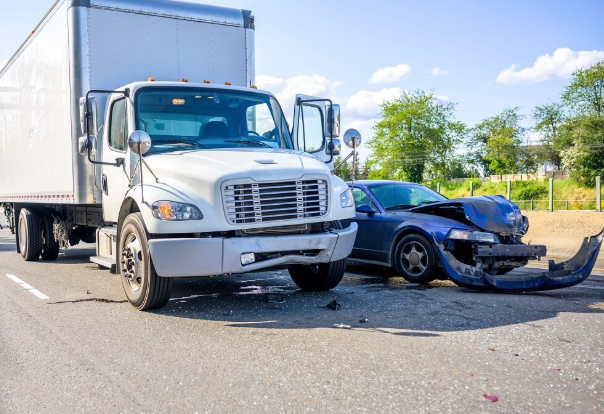
Crashes with large trucks and buses on Arizona highways cause sudden loss and chaos. You face medical bills, missed work, and pressure from insurance companies. You may feel blamed. You may feel ignored. Yet federal and state rules often put responsibility on trucking companies and their insurers, not only on you. This blog explains how those rules work and how employer liability can shape your claim. It also shows how driver hours, truck maintenance, and cargo weight rules affect fault. Finally, it explains what you should collect and document after a crash. You learn why a truck accident is not treated like a regular car crash. You also see how a truck accident lawyer examines logbooks, black box data, and employer policies to protect your claim. With clear steps, you gain enough knowledge to speak up and demand a fair review of what happened.
Why Truck Crashes Are Different From Car Crashes
A crash with a commercial truck is not just a larger version of a car crash. Different rules apply. Different money sources may exist. Different records can prove what happened.
On an Arizona highway, a truck driver usually works under strict federal safety rules. The company that owns the truck must follow extra duties on hiring, training, and maintenance. These duties can shift fault away from you and toward the company.
Key differences include
- More weight and longer stopping distance
- Professional driver standards
- Company control of routes and schedules
- Insurance policies with higher limits
This means your claim can grow complex fast. It also means you have more ways to prove fault if you know where to look.
Federal and Arizona Rules That Shape Your Claim
Commercial trucks and buses must follow federal rules from the Federal Motor Carrier Safety Administration. You can read these rules yourself on the official site at FMCSA Regulations. Arizona also adds its own rules on top of those.
Common rule violations that matter for your claim include
- Driving more hours than allowed
- Poor truck inspections
- Skipping needed brake or tire repairs
- Overloaded or unbalanced cargo
- Unqualified or poorly trained drivers
If a company breaks these rules and a crash follows, that rule breach can support your claim. It can show careless behavior, not just a simple mistake.
Employer Liability on Arizona Highways
When a truck driver causes a crash while working, the employer often shares responsibility. This is called employer liability through work duties. Arizona courts can hold the company responsible when the driver acts within the job role.
Employer liability can arise from
- Pressure to meet unsafe delivery times
- Failure to check driving records
- Ignoring past crashes or tickets
- Not training drivers on Arizona highway rules
You do not need to prove the company was present at the crash. You only need to show the driver worked for the company and acted within normal job tasks at the time.
Common Causes of Truck and Bus Crashes
Many truck and commercial vehicle crashes stem from the same patterns. When you know these patterns, you can ask sharper questions and request the right records.
- Fatigue from long shifts and night driving
- Speeding to meet delivery windows
- Following too close in traffic
- Distraction from phones or company devices
- Poor maintenance on brakes, tires, or lights
- Unsafe backing or lane changes on crowded highways
Federal crash studies from the National Highway Traffic Safety Administration show that large trucks create a higher risk of severe injury due to weight and size. You can review highway safety data at NHTSA Data.
Key Evidence in Arizona Truck Claims
Truck crash claims often rise or fall on records that do not exist in regular car crashes. You protect yourself when you request these records early.
Important evidence includes
- Driver logbooks or electronic logging device records
- Black box data on speed, braking, and steering
- GPS and dispatch messages
- Maintenance and inspection reports
- Weight tickets and cargo documents
- Company safety and training policies
You also need basic crash proof such as photos, witness names, police reports, and medical records. Each item helps show cause, impact, and cost.
Comparison of Car Crash and Truck Crash Claims
| Issue | Typical Car Crash | Truck or Commercial Vehicle Crash |
| Main person at fault | Individual driver | Driver and employer |
| Key laws | State traffic laws | State traffic laws and federal trucking rules |
| Common records | Police report and photos | Logbooks, black box data, maintenance files |
| Insurance limits | Personal auto policy | High limit commercial policies |
| Number of parties | Two or three | Many such as driver, carrier, shipper, broker |
| Crash severity | Often lower impact | Higher risk of severe injury or death |
Steps To Take After a Truck Crash in Arizona
You cannot control the crash. You can control your next steps. Early choices can guard your health and your claim.
- Call 911 and report every injury and symptom
- Get medical care right away and follow all advice
- Take photos of vehicles, road marks, and visible injuries
- Get names, phone numbers, and insurance details
- Ask for the company name, truck number, and trailer number
- Write down what the driver and witnesses say
- Do not guess or accept blame at the scene
Later, request the police report and keep all bills, letters, and repair estimates in one place. This record will help you show your losses.
See also: Company Formation Checklist for First-Time Entrepreneurs
How Responsibility Gets Shared
Arizona uses fault rules that can split blame among several people. Even if you carry some fault, you can still recover money when the truck driver or company holds greater blame.
Responsibility may fall on
- The driver for unsafe actions on the road
- The employer for poor hiring or training
- The maintenance provider for bad repairs
- The cargo loader for unsafe loading
Each party often has its own insurer and lawyer. That can lead to finger pointing. Clear records help cut through the noise.
Protecting Your Family After a Crash
A truck crash on an Arizona highway can shake your whole family. You may worry about missed paychecks, medical care, and long term pain. You may also fear that a large company will bury your claim.
You do not need to face that pressure alone. Federal and state rules exist to protect you from unsafe trucking practices. Employer liability rules give you a path to hold companies accountable for their choices on routes, schedules, and training.
When you understand these rules, you stand on stronger ground. You can ask for key records. You can question unsafe company habits. You can push for a fair outcome that respects your pain, time, and future.