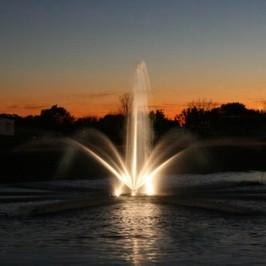
Outdoor lighting has evolved beyond just simple illumination. Property owners now expect their water features to transform after dark, creating atmospheres that shift with seasons, events, and moods. The latest trends reflect this desire for flexibility and visual impact, bringing theatrical possibilities to residential ponds and commercial water installations alike.
Modern lights for fountains have become sophisticated design tools rather than mere accessories. You can now control color palettes, adjust intensity levels, and program lighting sequences from mobile devices. This technological leap means your evening landscape doesn’t stay static throughout the year. Spring gatherings might call for soft pastels, while autumn events could showcase warm amber tones that complement changing foliage.
The Rise of Warm Glow Accents
Understated Elegance Through Warm White Tones: The trend towards warm white lighting reflects a broader shift away from harsh, clinical illumination. These softer hues create inviting spaces around ponds and fountains, making waterside areas feel more like natural extensions of indoor living spaces. The gentle glow doesn’t overpower the water’s natural movement, allowing surface reflections and spray patterns to remain focal points rather than getting lost in aggressive brightness.
Energy Efficiency Meets Aesthetic Appeal: Contemporary warm white LED systems deliver substantial energy savings compared to older halogen fixtures. You’ll notice lower running costs without sacrificing the quality of light that makes evening gatherings memorable. The color temperature range typically falls between 2700K and 3000K, mimicking candlelight or traditional incandescent bulbs. This creates familiarity and comfort, which proves especially important for hospitality venues and residential entertaining spaces.
Layering Light for Depth and Dimension: Property managers are increasingly combining warm accent lights at multiple heights and angles around water features. This approach creates depth perception that single-source lighting cannot achieve. Shadows become as important as illuminated areas, giving ponds a three-dimensional quality after sunset that feels almost sculptural in its effect.
RGB Color Shifting Technology
Dynamic Palettes for Special Occasions: RGB systems let you shift between millions of color combinations, adapting your water feature to match specific events or seasonal themes. Corporate events might call for brand colors, while private celebrations could coordinate with party decorations. This flexibility eliminates the need for multiple fixed-color installations, consolidating your lighting infrastructure into versatile systems that serve year-round needs.
Gradual Transitions Versus Sudden Changes: The most sophisticated installations avoid jarring color jumps. Instead, they employ smooth transitions that feel organic rather than mechanical. You might program a sunset sequence that moves from golden yellows through deep oranges to twilight purples over the course of an hour. These gradual shifts create ambient experiences rather than distracting light shows that pull attention away from conversations and activities.
Remote App Control and Automation
Smartphone Integration for Real-Time Adjustments: Modern lighting controllers connect to your phone or tablet, letting you adjust settings without accessing physical switches. Perhaps unexpected weather creates different atmospheric conditions than you planned for an event. You can darken or brighten lights, shift colors, or change timing sequences within seconds. This responsiveness proves valuable when hosting outdoor functions where conditions change throughout the evening.
Scheduled Programming for Consistency: Beyond manual control, these systems let you create recurring schedules that activate automatically. Your fountain lights might power on at sunset and shift through predetermined color schemes before dimming at a specified hour. This automation maintains consistency without requiring daily intervention, which matters particularly for commercial properties where staff schedules vary.
Zone Control for Complex Installations: Larger properties with multiple water features benefit from zone-based programming. You can independently control different ponds or fountain sections, creating variety across the landscape. One area might display subtle blues while another showcases vibrant greens, all managed through a single interface. This segmentation adds visual interest while preventing monotonous uniformity.
See also: Order Pitched Skylights Online A Complete Guide to Brightening Your Home
Motion-Activated Lighting Scenes
Security Benefits Beyond Aesthetics: Motion sensors trigger lighting sequences when movement occurs near water features. This serves dual purposes – enhancing security around property perimeters while creating dramatic reveals for guests approaching outdoor spaces. The sudden illumination of fountains can deter unwanted visitors while making legitimate arrivals feel welcomed and impressed by thoughtful landscape design.
Conservation Through Selective Activation: Rather than running lights continuously throughout the night, motion activation reduces energy consumption during periods of inactivity. The photocell sensor technology ensures lights only operate when natural light levels drop sufficiently and movement justifies illumination. This targeted approach cuts operating costs substantially over seasonal periods, especially during longer winter nights.
Emerging Trends in Color Psychology
Mood Influence Through Strategic Color Selection: Research into color psychology is shaping how property managers program their lighting sequences. Cool blues and greens tend to create calming environments suitable for relaxation areas, while warmer reds and oranges energize spaces intended for social interaction. You can leverage these psychological effects to subtly guide how people experience outdoor areas around your water features.
The following color applications demonstrate practical psychological considerations:
- Soft lavender and pale blue tones promote tranquility in meditation gardens and spa settings, reducing perceived stress levels.
- Vibrant magenta and cyan combinations create energetic party atmospheres for celebrations and corporate networking events.
- Amber and warm gold hues foster intimacy and conversation in dining areas adjacent to water features.
- Subtle green lighting enhances perceived naturalness, making engineered landscapes feel more organic and less artificial.
Seasonal Coordination with Natural Elements: Forward-thinking designers now synchronize lighting colors with seasonal landscape changes. Spring installations might feature fresh greens that complement new growth, transitioning to deeper jewel tones as autumn arrives. This coordination between artificial and natural color palettes creates cohesive outdoor environments rather than lighting that fights against its surroundings.
Conclusion
Pond lighting in 2026 offers unprecedented creative control over your outdoor spaces. The shift from static illumination to dynamic, programmable systems transforms water features into adaptable design elements that serve multiple purposes throughout the year. Whether you prioritize energy efficiency, aesthetic flexibility, or psychological impact, current technology delivers options that seemed impossible just a few years ago. Consider how these emerging trends might enhance your property’s evening appeal and create memorable experiences for guests, residents, or visitors who encounter your illuminated water features after dark.