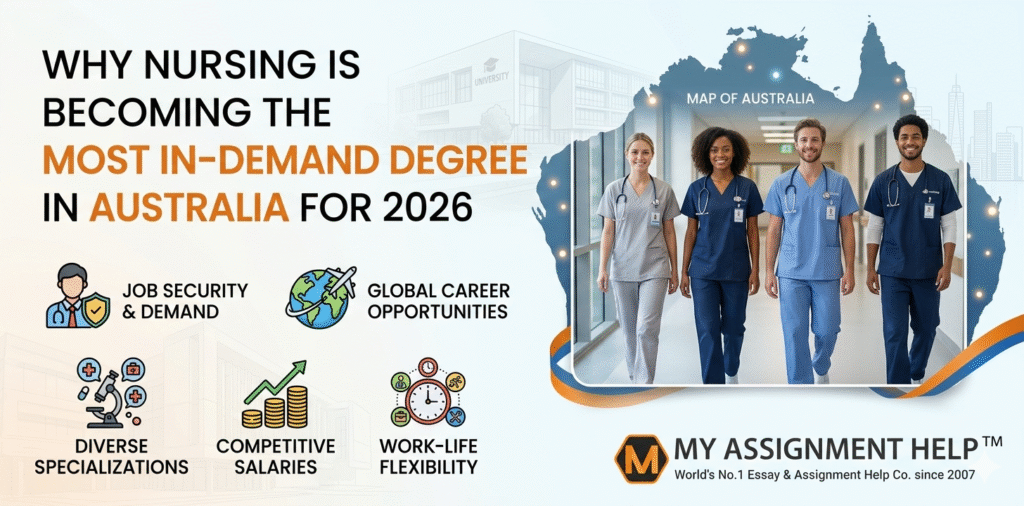
In 2026, the Australian healthcare landscape is undergoing a tectonic shift. As the federal government rolls out the final phases of the National Nursing Workforce Strategy, the role of the nurse has evolved from a bedside caregiver to a high-tech clinical decision-maker. This evolution, coupled with a projected national shortfall of over 70,000 nurses by 2035, has propelled nursing into the position of the most secure and strategically vital degree in the country.
For students entering the field this year, the opportunities are unprecedented—but so are the academic rigours. From mastering the rights-based framework of the Aged Care Act 2024 to navigating complex e-health record integrations, the modern nursing curriculum is as demanding as it is rewarding.
1. The Demographic Tsunami: Australia’s Ageing Population
The primary driver behind the surge in demand is Australia’s demographic profile. By mid-2026, the percentage of Australians aged 65 and over has reached record highs, leading to an increased prevalence of chronic diseases and complex co-morbidities.
This demographic reality has forced a complete overhaul of how we treat our seniors. The introduction of mandated 24/7 Registered Nurse coverage in residential facilities and the transition to the Support at Home program have created thousands of new vacancies. To excel in this sector, students must have a deep understanding of Australian Aged Care Nursing standards, which now prioritise dignity, choice, and clinical safety under the Strengthened Quality Standards.
2. Professional Stability and Competitive Salaries
While many industries are facing uncertainty due to AI-driven automation, nursing remains “future-proof.” The 2026 Fair Work Commission pay guides highlight that nursing is not only a “calling” but a lucrative career.
According to latest market data from Seek and Healthcare Australia:
- Graduate Registered Nurses (Grade 1): Can expect starting salaries between $72,000 and $76,000.
- Specialised RNs: Critical care, emergency, and mental health nurses are commanding packages exceeding $110,000.
- Regional Incentives: Nurses willing to work in regional WA, the NT, or rural Queensland are seeing attraction bonuses of up to $30,000 plus subsidised accommodation.
However, the path to these high-paying roles is paved with intense clinical assessments and research-heavy coursework. This is where academic pressure often peaks. Many students find that balancing clinical placements with high-level academic writing requires professional support, leading to a rise in students seeking Nursing Assignment Help to maintain their GPAs while gaining hands-on experience in Australian hospitals.
3. Scope of Practice Reform: The Rise of the Nurse Practitioner
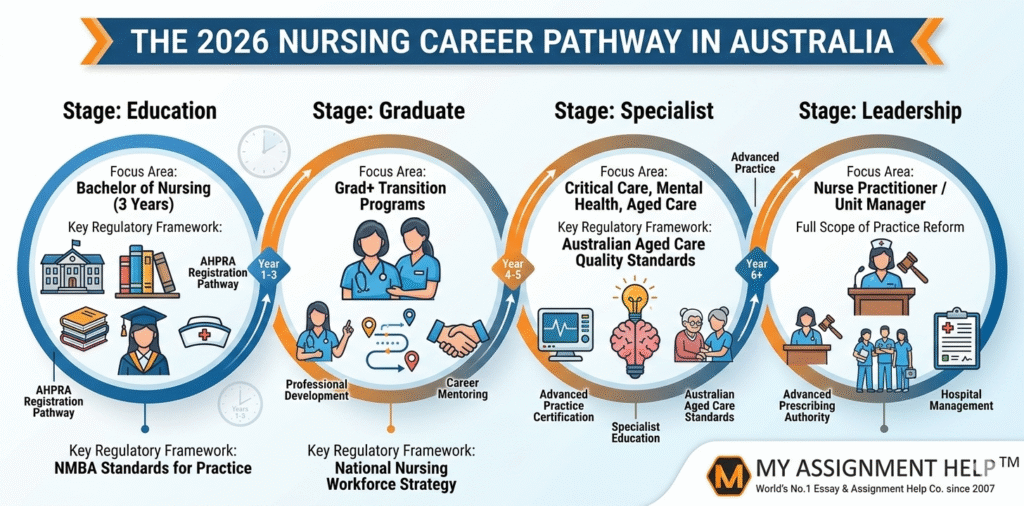
2026 marks a milestone for “Scope of Practice” reforms in Australia. The government has begun removing legacy barriers that once limited what nurses could do. Registered Nurses (RNs) are now being empowered to work to their full scope, while the Nurse Practitioner (NP) role is being expanded to include broader prescribing rights and autonomous diagnostic authority.
This shift means that a nursing degree is no longer just a “terminal” qualification; it is the foundation for a career in advanced clinical leadership. Universities are responding by integrating more pathophysiology and advanced assessment modules into undergraduate programs, making the degree more intellectually stimulating—and significantly more difficult.
See also: Benefits Of Business Coaching For Small Business Owners Seeking Sustained Profit Growth
Key Takeaways for Nursing Students in 2026
- Job Security: 100% graduate employment rates in most Australian states and territories.
- Regulatory Focus: High demand for expertise in AHPRA standards and NSQHS frameworks.
- Specialisation is King: Higher pay and faster promotion cycles for those who move into Critical Care, Midwifery, or Aged Care.
- Academic Support: Given the “Rights-Based” legal frameworks in modern nursing, academic precision in assessments is non-negotiable for registration.
Frequently Asked Questions (FAQ)
Q1: Is a nursing degree harder in 2026 than in previous years?
Yes. The shift toward evidence-based practice and strict regulatory standards (like the Aged Care Act 2024) means students must master both clinical skills and complex legal/ethical frameworks.
Q2: What is the average salary for a nurse in Australia right now?
The average market rate for a Registered Nurse in 2026 is approximately $82,500, though senior roles and those in regional areas can earn well over $115,000.
Q3: Can international students easily find work after graduating?
Absolutely. With the new IQRN (Internationally Qualified Registered Nurse) registration standard, Australia has streamlined the pathway for qualified graduates to enter the workforce immediately upon meeting AHPRA requirements.
Q4: How can I manage my nursing assignments while on clinical placement?
Many students use structured study plans or seek academic assistance from specialised services to ensure they don’t fall behind while working 12-hour shifts at the hospital.
About the Author
James Anderson is a Senior Content Strategist and Academic Consultant at MyAssignmentHelp. With over a decade of experience in the Australian EdTech sector, James specialises in helping nursing and healthcare students navigate the complexities of university assessments. He is a frequent contributor to nursing education blogs, focusing on the intersection of clinical practice and academic excellence.
References:
- Department of Health and Aged Care (2024), “Nursing Supply and Demand Study 2023–2035”.
- Australian Nursing and Midwifery Federation (ANMF), “Priorities for 2026: Aged Care Reform”.
- HealthCare Australia, “2026 Registered Nursing Trends and Salary Guide”.
- Jobs and Skills Australia, “Occupation Profile: Registered Nurses 2026