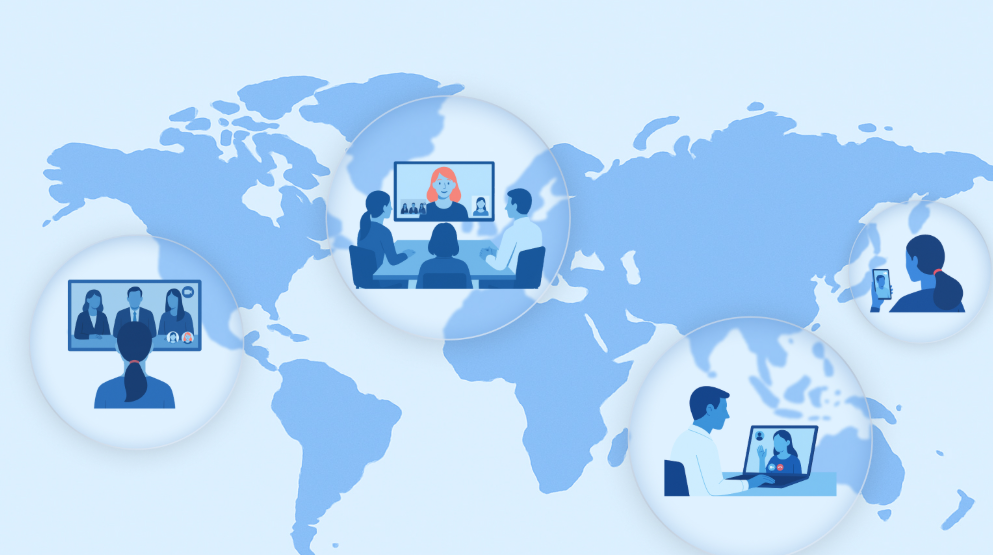
The digital divide represents a significant barrier to equitable access to technology across various socioeconomic groups. Disparities in technology access contribute to educational and professional inequalities. Consequently, individuals lacking digital resources face challenges in engaging with the modern economy. Understanding the underlying causes of this divide is essential. Exploring potential strategies to bridge this gap may reveal pathways towards a more inclusive society, ultimately impacting future generations’ opportunities. What solutions might emerge from this analysis?
Understanding the Digital Divide
How does one define the digital divide in contemporary society? It represents the gap between individuals who possess digital literacy and access to technology and those who do not.
Factors influencing this divide include technology affordability, which affects the ability of certain populations to engage with digital platforms.
Consequently, this disparity hinders equitable participation in an increasingly technology-driven world, limiting opportunities for growth and freedom.
See also: Digital Collaboration Platforms Explained
Causes of the Digital Divide
While various factors contribute to the digital divide, economic disparities serve as a primary cause, influencing individuals’ access to technology and the internet.
These disparities often correlate with educational inequities, where underfunded schools limit students’ exposure to digital resources.
Consequently, those from lower socioeconomic backgrounds face significant barriers in acquiring necessary skills and opportunities, perpetuating the cycle of inequality in the digital age.
Consequences of Limited Technology Access
Limited access to technology can lead to significant and far-reaching consequences for individuals and communities.
It fosters limited opportunities, restricting economic mobility and professional growth. Additionally, educational disparities widen, as students without adequate resources struggle to compete academically.
These challenges not only hinder personal development but also perpetuate cycles of poverty, ultimately impacting societal progress and cohesion in an increasingly digital world.
Strategies for Bridging the Digital Divide
To effectively bridge the digital divide, a multifaceted approach is essential, addressing both infrastructure and education.
Community initiatives can foster local engagement and promote digital literacy, while comprehensive government policies are critical for ensuring equitable access to technology.
Conclusion
In conclusion, bridging the digital divide is essential for fostering equitable access to technology and opportunities. For instance, a hypothetical initiative providing low-income families with subsidized internet and digital literacy training could transform educational outcomes and career prospects for their children, ultimately benefiting the broader community. By implementing targeted strategies that address the root causes of digital inequity, society can promote inclusive development and ensure that all individuals are empowered to thrive in the digital economy.