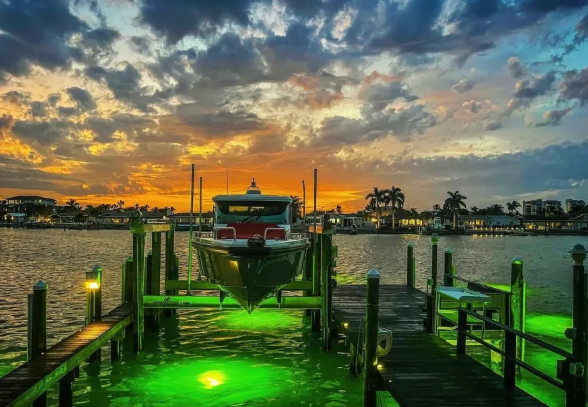
Waterfront properties offer a unique opportunity to combine beauty, functionality, and safety. One of the most effective ways to enhance a dock’s appeal and usability is by installing underwater lighting. These lights not only create a stunning nighttime ambiance but also improve visibility and safety around the water. Choosing the right underwater lights for your dock, however, involves more than just picking a pretty fixture. This guide covers everything you need to know to make an informed decision. For a complete range of options and expert tips on selecting the best fixtures, check out underwater lighting for docks to illuminate your waterfront safely and beautifully.
Why Underwater Dock Lighting Matters
Underwater dock lights are more than decorative additions, they serve multiple practical purposes:
- Safety: Well-lit docks reduce the risk of accidents, especially for those boarding boats or walking near water after dark. Clear visibility around your dock can prevent slips, trips, and falls.
- Aesthetics: Lights can create a magical reflection on the water, highlighting the structure of your dock and giving your waterfront an inviting glow.
- Functionality: Dock lighting can assist boaters in docking and navigating near the shore at night, especially in areas with low ambient light.
- Property Value: Thoughtfully installed underwater lighting can enhance your property’s appeal and market value, giving it a modern, upscale look.
With these benefits in mind, it’s essential to select the right lighting system for your specific dock and environment.
Types of Underwater Dock Lights
Understanding the different types of underwater dock lights will help you choose the right option:
- LED Underwater Lights:
LED lights are energy-efficient, long-lasting, and offer vibrant colors. They generate minimal heat and can last for tens of thousands of hours. They are ideal for residential and commercial docks where durability and efficiency are priorities. - Halogen Lights:
Halogen underwater lights provide a warm, bright glow. While they are less energy-efficient than LEDs, they are often more affordable upfront. Halogen lights may need more frequent replacement due to shorter lifespans. - Solar-Powered Lights:
Solar lights are convenient and eco-friendly. They charge during the day and illuminate at night without the need for complex wiring. However, their brightness may be limited, making them more suitable for decorative purposes rather than functional lighting. - Fiber Optic Lights:
Fiber optic underwater lighting offers a soft, diffuse glow. These lights are ideal for aesthetic enhancement, providing a subtle, luxurious look to docks and waterfront areas.
Key Factors to Consider When Choosing Dock Lights
Before purchasing underwater lights, evaluate the following factors:
1. Material and Durability
Docks are constantly exposed to water, sunlight, and fluctuating temperatures. Choose lights made from corrosion-resistant materials like marine-grade stainless steel, brass, or high-quality plastics. Ensure they are rated for submersion and suitable for freshwater or saltwater environments.
2. Waterproof Rating (IP Rating)
Underwater lights are rated based on their resistance to water and dust. Look for an IP68 rating, which indicates complete protection against dust and long-term submersion in water. This ensures your lights function reliably even when fully submerged.
3. Light Color and Temperature
The color of the light impacts both aesthetics and safety. Options include:
- White Light: Provides clear visibility and a classic, clean look. Ideal for safety and navigation.
- Blue or Green Light: Creates a serene, elegant ambiance. Often used for decorative purposes or highlighting underwater features.
- RGB/Color-Changing Lights: Allows customization of colors to suit mood, events, or seasonal décor. These typically use LED technology.
4. Brightness and Coverage
Measured in lumens, brightness determines how much area your light will illuminate. Consider the size of your dock and the depth of water. Brighter lights are preferable for larger docks or areas where navigation is critical, while lower-intensity lights may be sufficient for smaller, decorative applications.
5. Power Source and Wiring
- Direct Wiring: Provides a consistent and powerful light source. Ideal for permanent installations but requires professional electrical work to ensure safety.
- Low-Voltage Systems: Safer for use around water and can often be installed without major electrical upgrades.
- Solar or Battery-Powered: Offer flexibility and easier installation but may have limited brightness and runtime.
6. Ease of Installation and Maintenance
Consider lights that are easy to install, maintain, and replace if necessary. Some lights come with mounting kits, adjustable brackets, or magnetic bases, making installation simpler for DIY enthusiasts. Regular maintenance, such as cleaning lenses and checking connections, prolongs the lifespan of underwater dock lights.
See also: Understanding Licensing: A Comprehensive Guide
Placement Tips for Optimal Effect
Proper placement of underwater dock lights enhances both safety and visual appeal:
- Along the Dock Perimeter: Installing lights along the edges ensures visibility for pedestrians and boaters.
- Near Pilings or Posts: Highlighting dock structures adds depth and dimension to the waterfront view.
- At Dock Entry Points: Illuminate steps or gangways to prevent trips or falls.
- Underneath the Dock Surface: Lights installed under the dock can create a mesmerizing glow in the water, highlighting fish, underwater plants, and dock features.
Spacing between lights depends on brightness and the desired effect. Typically, lights are spaced 3–6 feet apart along the dock edges, but this may vary based on your dock’s size and water clarity.
Safety Considerations
Safety should be a priority when installing underwater dock lighting:
- Ensure Proper Grounding: All electrical installations near water should be grounded to prevent shocks.
- Use Marine-Grade Cables: Wires should be resistant to corrosion and water damage.
- Hire a Professional Electrician: For wired systems, it’s safest to employ a licensed professional to handle the installation.
- Regular Inspections: Check for cracks, corrosion, or water damage periodically to maintain functionality and safety.
Maintenance and Longevity
Underwater dock lights are designed to be durable, but proper maintenance extends their lifespan:
- Clean Lenses Regularly: Remove algae, dirt, or debris to maintain brightness.
- Inspect Seals and Fixtures: Ensure watertight seals remain intact to prevent water ingress.
- Replace Bulbs as Needed: LED lights can last 50,000+ hours, but halogen bulbs may need replacement more often.
- Monitor Electrical Connections: Check for corrosion or loose connections, especially in saltwater environments.
Enhancing the Waterfront Experience
Beyond functionality, underwater dock lights offer a creative way to transform your waterfront property. Combine lighting with floating planters, lanterns, or LED string lights for a complete nighttime atmosphere. Color-changing LEDs can create seasonal effects, from festive holiday displays to relaxing summer evenings.
Conclusion
Choosing underwater lights for your dock involves balancing aesthetics, functionality, and safety. By considering factors such as light type, material, brightness, and placement, you can create a waterfront space that is both beautiful and practical. Whether you are seeking a subtle glow or a dramatic illumination, the right underwater lighting system will enhance your dock, improve safety, and increase your property’s value.
Investing in quality lights, proper installation, and regular maintenance ensures that your dock remains a safe and inviting place for family, friends, and boating activities long after the sun goes down.