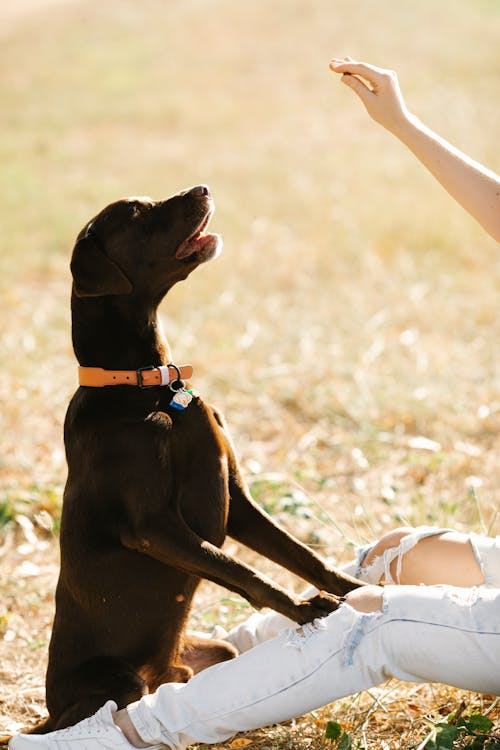
Bangalore’s bustling streets can turn peaceful walks for your pet into stressful tug-of-war sessions. Your dog pulls towards every scooter, barks at pedestrians, and freezes near busy junctions. These chaotic walks leave you frustrated and your dog overwhelmed. Teaching calm leash behaviour transforms these outings into enjoyable bonding time.
Walking through areas like Koramangala, HSR Layout, and Indiranagar requires specific training techniques. Professional help from a dog training centre near me provides structured programmes that build confidence and focus. Trainers use positive reinforcement methods to teach loose leash walking, distraction management, and impulse control. These skills help your dog navigate Bangalore’s unique challenges, from honking traffic to crowded pavements and street animals.
Understanding Why Dogs Struggle on Bangalore Streets
Sensory Overload in Urban Environments: Bangalore’s streets bombard dogs with overwhelming stimuli. Honking horns, speeding bikes, street vendors, and unfamiliar smells create constant distractions. Dogs naturally want to investigate everything, pulling towards interesting scents or backing away from frightening noises. This behaviour stems from curiosity and fear, not disobedience.
Lack of Early Exposure: Many dogs miss critical socialisation windows. Puppies confined to apartments without gradual exposure to street life struggle later. They haven’t learnt that traffic noise is normal or that pedestrians aren’t threats. This inexperience makes adult training harder but not impossible with patient, consistent work.
Previous Negative Experiences: Perhaps your dog encountered aggressive street dogs or got startled by a loud vehicle. These incidents create lasting anxiety. Your dog pulls to escape perceived dangers or lunges to create distance from threats. Understanding these root causes helps you address the real problem rather than just the pulling behaviour.
Building Foundation Skills at Home First
Leash Familiarisation Indoors: Start training inside your flat before venturing outside. Let your dog wear the collar and leash whilst playing or eating. This creates positive associations with walking equipment. Practise short sessions where your dog follows you around rooms, rewarding calm behaviour with treats and praise.
Teaching Focus and Name Recognition: Your dog must respond reliably to their name amidst distractions. Use high-value treats to reward immediate attention when called. Gradually increase difficulty by calling during play or when toys are present. Strong stimulus control ensures your dog checks in with you during stressful outdoor situations.
Establishing Clear Communication: Dogs don’t automatically understand what you want. Teach a release word that signals when pulling is acceptable versus when calm walking is required. Consistency matters tremendously here. Everyone in your household must use the same commands and reward the same behaviours to avoid confusing your dog.
Progressive Exposure to Street Environments
Start in Quiet Areas: Begin training in your building’s basement car park or quiet lane during early mornings. These controlled environments have fewer distractions than main roads. Walk short distances, rewarding your dog every few steps for staying beside you. Gradually increase duration as your dog succeeds consistently.
Timing Your Training Sessions: Avoid peak traffic hours initially. Bangalore’s rush hour chaos overwhelms even well-trained dogs. Choose times when streets are calmer, typically between 10 AM to 4 PM or after 8 PM. This strategic timing helps your dog build confidence without excessive stress.
Incremental Challenge Increases: Once your dog manages quiet lanes, introduce slightly busier areas. Perhaps the side streets near HSR’s parks before attempting 27th Main Road. Each successful session builds your dog’s tolerance. Pushing too fast creates setbacks, whilst progressing slowly ensures lasting behaviour change.
Essential Loose Leash Walking Techniques
The Stop-and-Go Method: When your dog pulls, immediately stop walking. Stand still until the leash loosens, then praise and continue. This teaches that pulling stops all forward movement. Your dog learns that staying beside you keeps the walk progressing. Patience proves crucial as this method requires many repetitions.
Direction Changes for Engagement: Randomly change direction when your dog stops paying attention. This keeps them focused on you rather than distractions. Turn left, right, or double back unpredictably. Your dog learns to watch your movements, naturally staying closer to avoid being surprised.
Reward Placement Strategy: Where you deliver treats matters significantly. Feed your dog at your side, not in front where they’ll naturally pull forward. This positioning reinforces the correct walking position. Use small, soft treats that your dog can eat quickly without breaking stride.
See also: Order Pitched Skylights Online A Complete Guide to Brightening Your Home
Managing Specific Bangalore Street Challenges
Navigating Traffic and Vehicles: Auto-rickshaws weaving through traffic and honking buses create major distractions. Teach your dog to sit and wait at kerbs before crossing. Reward calm behaviour near parked vehicles. Consider using counter-conditioning techniques where good things happen when scary vehicles pass.
Handling Street Dog Encounters: Bangalore’s street dogs can trigger reactive behaviour. Maintain distance initially, crossing roads if needed. Never let leashes tangle during interactions. Reward your dog for remaining calm when spotting other dogs. This builds positive associations rather than fear or aggression.
Dealing with Crowds and Markets: Areas like Indiranagar’s 100 Feet Road or Koramangala’s forum area test training thoroughly. Keep your dog close to your side, using your body to create space from crowds. Practise emergency U-turns for quick escapes when situations become overwhelming.
Tools and Equipment for Success
Proper equipment supports training efforts significantly. Consider these essentials:
- Front-clip harnesses reduce pulling by redirecting your dog’s momentum sideways rather than rewarding forward movement. They provide better control without choking risks.
- Long training leads allow controlled freedom in parks whilst maintaining safety. They let your dog explore within boundaries you set.
- Treat pouches keep rewards accessible for immediate reinforcement. Timing matters in training, and fumbling for treats reduces effectiveness.
- Reflective gear ensures visibility during early morning or evening walks when Bangalore’s traffic is heavy but light is poor.
Building Confidence Through Consistency
Daily Practice Requirements: Short, frequent training sessions outperform occasional long ones. Even ten minutes daily yields better results than sporadic weekend efforts. Your dog needs regular repetition to solidify new behaviours. Missing days creates confusion and slows progress significantly.
Involving Family Members: Everyone who walks your dog must follow the same rules. Mixed signals confuse dogs and undermine training. Perhaps one person allows pulling whilst another doesn’t. This inconsistency makes behaviour problems worse. Hold family meetings to ensure unified approaches.
Tracking Progress Realistically: Behaviour change takes weeks, not days. Note small improvements like pulling less frequently or recovering faster from distractions. These incremental gains indicate real progress even when perfect walks seem distant. Celebrate small victories to maintain your motivation.
Conclusion
Teaching calm walking in Bangalore’s chaotic streets requires patience, consistency, and proper techniques. Start with foundation skills at home, progress gradually to busier environments, and use proven methods like stop-and-go training. Managing city-specific challenges, from traffic to street dogs, becomes manageable with the right approach. If you’re struggling, consider professional guidance through structured programmes that accelerate progress. Book a consultation to develop a personalised training plan that addresses your dog’s specific needs and helps you both enjoy peaceful walks together.