Industrial gas turbines are a backbone of modern power generation, providing reliable energy for utilities, industrial plants, and critical infrastructure. These complex machines rely on high-performance components to operate efficiently and safely. Over time, turbine parts experience wear and tear due to extreme temperatures, high pressures, and continuous operation. Replacing damaged components with brand-new parts can be expensive, making refurbished industrial gas turbine parts a practical and cost-effective solution. This guide explores the benefits, types, quality considerations, and maintenance of refurbished turbine parts for industrial applications.
Understanding Industrial Gas Turbine Components
Industrial gas turbines consist of several critical systems that work together to convert fuel into mechanical energy:
- Compressor Section: Compresses incoming air for combustion.
- Combustion Chamber: Mixes compressed air with fuel for controlled ignition.
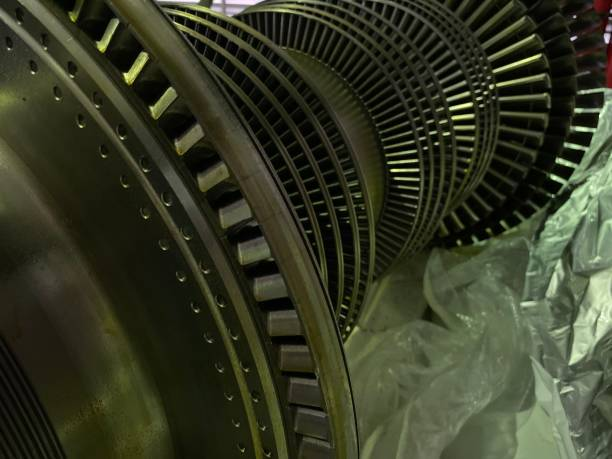
- Turbine Section: Extracts energy from hot gases to drive the rotor and generator.
- Auxiliary Systems: Include bearings, lubrication systems, and control mechanisms.
Key components such as blades, vanes, rotors, fuel nozzles, and seals are exposed to high stresses and require periodic inspection, repair, or replacement to maintain turbine efficiency.
See also: Digital Divide and Technology Access
What Are Refurbished Industrial Gas Turbine Parts?
Refurbished industrial gas turbine parts are components that have been returned, used, or removed from operational turbines and restored to meet OEM (Original Equipment Manufacturer) specifications. The refurbishment process typically includes:
- Inspection: Detailed evaluation to detect wear, cracks, corrosion, or damage.
- Cleaning: Removing deposits, oxidation, and contaminants.
- Repair or Reconditioning: Machining, coating, or replacing worn surfaces.
- Testing: Verifying dimensional accuracy, structural integrity, and performance.
- Certification: Ensuring the part meets industry standards and safety requirements.
Refurbished parts offer comparable performance to new components at a fraction of the cost, making them an attractive option for industrial operators.
Types of Refurbished Gas Turbine Parts
Refurbished parts can cover nearly every critical turbine component. Common examples include:
1. Turbine Blades and Vanes
- High-temperature components that extract energy from hot gases.
- Refurbished blades are cleaned, repaired, and coated to restore thermal resistance.
- Vane repair includes re-machining surfaces and applying protective coatings.
2. Rotors and Shafts
- Rotors transfer energy from the turbine section to the generator.
- Refurbishing includes balancing, straightening, and restoring critical surfaces.
- Shafts are inspected for cracks, polished, and certified for reuse.
3. Fuel Nozzles and Combustion Components
- Refurbished fuel nozzles restore precise fuel atomization and spray patterns.
- Combustion liners are cleaned, re-coated, and repaired to handle high temperatures.
4. Seals, Bearings, and Gaskets
- Labyrinth seals, shaft seals, and bearings are critical for efficiency and safety.
- Refurbished seals ensure minimal leakage, and bearings are polished and tested for wear.
5. Auxiliary and Control Components
- Sensors, valves, actuators, and control systems can be reconditioned for accurate operation.
- Refurbished electronics undergo calibration and functional testing to match OEM specifications.
Benefits of Using Refurbished Industrial Gas Turbine Parts
Choosing refurbished turbine parts offers several advantages for industrial operators:
1. Cost Savings
- Refurbished parts typically cost 30–60% less than new components.
- Reduces capital expenditure while maintaining turbine performance.
- Enables operators to budget for other critical maintenance needs.
2. Reduced Downtime
- Refurbished parts are often available faster than new OEM components, which may have long lead times.
- Quick replacement minimizes turbine downtime, maintaining operational continuity.
- Critical in power plants and industrial facilities where uptime directly impacts revenue.
3. Sustainability
- Reusing turbine components reduces waste and environmental impact.
- Conserves raw materials and energy compared to manufacturing new parts.
- Supports corporate sustainability goals and environmental compliance.
4. Proven Performance
- Refurbished parts undergo rigorous testing to meet OEM standards.
- Restored components can perform comparably to new parts, ensuring reliability.
- Certified refurbishment provides assurance of quality and safety.
5. Flexibility for Maintenance Planning
- Operators can maintain an inventory of refurbished parts for scheduled maintenance or emergency replacements.
- Reduces dependence on long OEM lead times.
- Enhances planning for predictive and preventive maintenance programs.
Quality Considerations for Refurbished Parts
While refurbished parts offer significant benefits, ensuring quality is essential:
1. OEM Certification
- Look for parts refurbished according to OEM specifications.
- Certification ensures proper materials, tolerances, and performance standards.
2. Inspection and Testing Records
- Verify inspection reports, non-destructive testing (NDT) results, and performance testing.
- NDT methods may include ultrasonic testing, dye penetrant inspection, and X-ray analysis.
3. Restoration Techniques
- Ensure critical surfaces are machined, polished, or coated to restore original dimensions.
- Coatings should meet thermal and erosion-resistance requirements.
4. Warranty and Support
- Reliable suppliers provide warranties covering workmanship and material defects.
- Post-sale support ensures any issues are addressed promptly.
5. Supplier Reputation
- Choose suppliers with proven experience in industrial gas turbine refurbishment.
- Positive customer reviews, case studies, and long-term relationships are indicators of trustworthiness.
Best Practices for Installing and Maintaining Refurbished Parts
To maximize the value of refurbished parts, proper installation and maintenance are key:
- Follow OEM Guidelines: Installation procedures must adhere to manufacturer recommendations.
- Proper Alignment and Balancing: Critical for rotors, shafts, and blades to prevent vibration and wear.
- Regular Inspections: Schedule periodic checks to monitor wear, corrosion, and performance.
- Lubrication and Cooling: Ensure bearings and moving components are properly lubricated and cooled.
- Documentation: Keep detailed records of refurbished part history, installation date, and maintenance actions.
When to Choose Refurbished vs. New Parts
While refurbished parts offer many benefits, some situations may require new components:
- Severe Damage: Parts with irreparable cracks or deformation may need replacement.
- High-Risk Applications: Critical applications where maximum reliability is essential may prefer new OEM components.
- Warranty Requirements: Some contracts or insurance policies may mandate new parts.
In most industrial settings, however, refurbished parts provide a cost-effective, reliable alternative without compromising performance.
Conclusion
Refurbished industrial gas turbine parts are a practical solution for operators seeking cost savings, efficiency, and sustainability. By restoring blades, rotors, fuel nozzles, seals, and other components to OEM specifications, refurbished parts ensure reliable turbine performance while reducing downtime and capital expenditure.
Key benefits include reduced costs, faster availability, proven performance, and environmental advantages. Ensuring quality through certification, inspection, and proper installation is critical to maximize the value of refurbished components.
For industrial and power generation facilities, incorporating refurbished turbine parts into maintenance programs is a strategic investment. It supports operational efficiency, enhances reliability, and provides flexibility in maintenance planning—all while delivering significant economic and environmental benefits.