Investing in high-quality bed linens means committing to adopting proper care routines. The way you treat your bedding directly impacts how long it maintains that cloud-like softness. Many people unknowingly damage their sheets through harsh washing practices or improper storage. Understanding the right techniques protects your investment and keeps your bedroom feeling like a luxury retreat.
Your Egyptian bed sheet deserves special attention because of its unique fiber structure. These sheets feature extra-long staple cotton that creates an incredibly smooth fabric. The fibers are longer than standard cotton, which means fewer joins in the thread and a silkier surface. When cared for correctly, these sheets actually become softer over time rather than wearing out. The natural properties of this premium cotton respond well to gentle treatment and regular maintenance.
Washing Your Sheets the Right Way
Temperature Matters More Than You Think: Cold or lukewarm water preserves the cotton fibers better than hot temperatures. Hot water can weaken the threads and cause premature breakdown of the material. You might think hot water cleans better, but modern detergents work effectively in cooler temperatures. Cold water also prevents color fading if you have dyed sheets.
Gentle Cycle Selection: The delicate or gentle cycle on your washing machine reduces agitation that can stress the fibers. Regular cycles tumble too aggressively for fine linens. This gentler approach might take slightly longer, but it significantly extends the lifespan of your bedding. Think of it as giving your sheets a spa treatment instead of a vigorous workout.
Detergent Choice and Amount: Use a mild, liquid detergent without harsh chemicals or optical brighteners. Powder detergents sometimes leave residue in the fabric weave. Pour about half the amount you’d normally use for regular laundry. Too much detergent builds up in the fibers and makes sheets feel stiff or waxy over time.
Drying Techniques That Preserve Softness
Air Drying Benefits: Hanging your sheets to dry naturally is the gentlest option available. Fresh air and sunlight provide natural antibacterial properties while preventing heat damage. Line drying also eliminates the mechanical stress from tumble dryers. If you have outdoor space, this method costs nothing and leaves sheets smelling wonderfully fresh.
Machine Drying Guidelines: When you must use a dryer, select the lowest heat setting possible. Remove sheets while they’re still slightly damp to prevent over-drying. Over-dried cotton becomes brittle and loses its natural softness. The remaining moisture evaporates naturally once you make the bed, and this prevents harsh creasing too.
Avoiding Common Mistakes: Never use dryer sheets or fabric softeners on quality linens. These products coat fibers with chemicals that reduce breathability and absorbency. The coating might feel soft initially but damages the natural properties of thread count fabrics. Your sheets will feel better without these unnecessary additives.
Stain Treatment and Maintenance
Immediate Action Steps: Address stains as soon as you notice them for the best results. Blot the area gently rather than rubbing, which pushes stains deeper into fibers. Cold water works better than hot for most stain types. Create a paste with mild detergent and water, then apply it directly to the affected spot.
Natural Stain Solutions: White vinegar removes many common stains without harsh chemicals. Mix equal parts water and vinegar for a gentle cleaning solution. Baking soda paste works well for oil-based stains. These natural options clean effectively while being kind to delicate fibers and safe for your skin.
Storage Methods That Prevent Damage
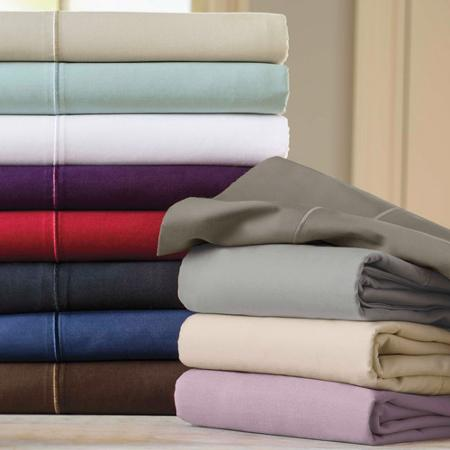
Proper Folding Techniques: Store sheets in a cool, dry place away from direct sunlight. Fold them loosely to prevent permanent creases from forming. Tight folding creates stress points in the fabric that eventually wear thin. Perhaps rotate your sheet sets regularly so each one gets equal rest time between uses.
Avoiding Storage Pitfalls: Keep sheets away from areas with high humidity or temperature fluctuations. Moisture encourages mildew growth and musty odors. Avoid plastic storage containers that trap moisture. Breathable cotton storage bags or linen closets work better. You want air circulation around stored bedding to keep everything fresh.
See also: Why Choosing a Custom Home Builder in Port Macquarie Makes All the Difference
Extending Longevity Through Regular Care
Rotation Strategy Benefits:
- Owning multiple sheet sets allows proper rotation between washes. This prevents excessive wear on any single set and gives fibers time to recover between uses.
- Washing less frequently reduces stress on the fabric. Sheets don’t need washing after every single use unless visibly soiled or during illness.
- Seasonal rotation helps match sheet weight to climate needs. Lighter weaves for summer and heavier options for winter months.
- Proper rest periods between uses help fibers maintain their structure. Cotton needs recovery time just like any natural material.
When to Replace Your Sheets: Even well-cared-for sheets eventually need replacing. Look for thinning areas, persistent stains, or loss of softness. Quality sheets typically last several years with proper care. Pilling or fraying edges signal the end of their useful life.
Conclusion
Caring for premium bedding requires attention to detail but the effort pays off tremendously. Your sheets will reward proper treatment with years of luxurious comfort and beauty. Small changes in washing routines and storage habits make significant differences in longevity. Start implementing these care techniques today to protect your investment and enjoy better sleep for years to come.