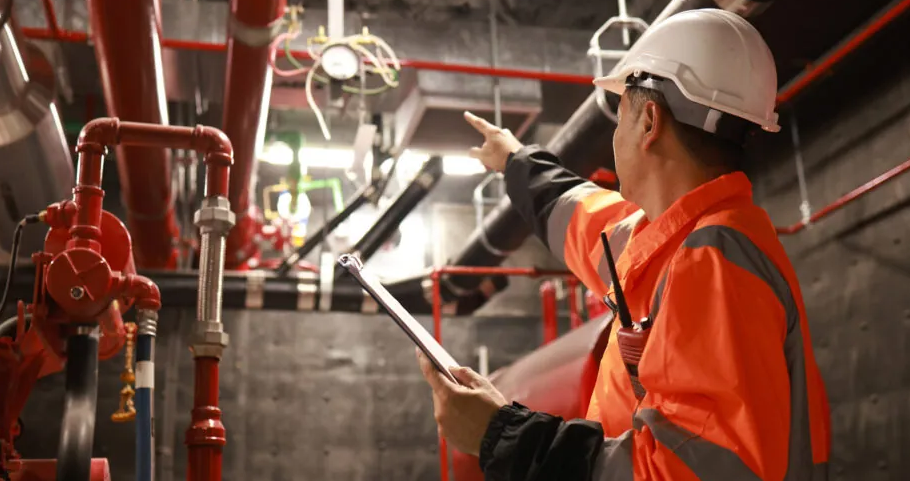
Fire is one of the most destructive hazards that can threaten life, property, and business continuity. A Fire Risk Assessment is an essential process designed to identify potential fire hazards, evaluate the risks associated with them, and implement measures to prevent fire incidents. Every organization, regardless of size, should prioritize fire safety to protect employees, customers, and assets.
What is a Fire Risk Assessment?
A Fire Risk Assessment is a systematic evaluation of a building, workplace, or facility to identify potential fire hazards, assess the likelihood of fire occurrence, and determine the severity of possible consequences. The primary goal is to minimize the risk of fire and ensure that preventive and protective measures are in place. Conducting regular fire risk assessments is a legal requirement in many countries and is critical for maintaining a safe environment.
Importance of Fire Risk Assessment
Fire risk assessments are crucial for several reasons:
- Protecting Lives: The primary purpose of a fire risk assessment is to safeguard human life. Identifying hazards early can prevent injuries and fatalities during fire incidents.
- Property Protection: Fire can cause extensive damage to property and equipment. Risk assessments help reduce the likelihood of such damage.
- Legal Compliance: Organizations are required to comply with fire safety regulations, and a documented fire risk assessment is often mandatory.
- Business Continuity: Preventing fire incidents minimizes operational disruptions, financial losses, and reputational damage.
- Insurance Requirements: Insurers may require a fire risk assessment to validate coverage and determine premiums.
See also: How to Teach Your Dog to Love Walking Calmly in Busy Bangalore Streets
Steps Involved in Fire Risk Assessment
A thorough Fire Risk Assessment follows a structured approach to ensure all potential risks are identified and mitigated. The key steps include:
1. Identify Fire Hazards
The first step is to identify sources of ignition, fuel, and oxygen. Common hazards include:
- Electrical equipment and faulty wiring
- Flammable liquids and gases
- Combustible materials like paper, wood, and textiles
- Cooking appliances and heating equipment
2. Identify People at Risk
Next, assess who may be at risk in the event of a fire. This includes:
- Employees
- Visitors and customers
- Contractors and maintenance staff
- People with disabilities or limited mobility
3. Evaluate Risks and Implement Measures
Once hazards and at-risk individuals are identified, the next step is to evaluate the risk. This involves:
- Determining the likelihood of a fire occurring
- Assessing potential consequences
- Implementing preventive measures such as proper storage of flammable materials
- Ensuring appropriate fire detection and suppression systems are in place
4. Record Findings
A detailed report should be created documenting the identified hazards, risks, and the actions taken to mitigate them. This record is vital for legal compliance and ongoing monitoring.
5. Review and Update
Fire risk assessments are not one-time activities. They should be reviewed regularly and updated when:
- New equipment or processes are introduced
- Changes occur in the building structure
- Fire safety legislation is updated
- An incident or near-miss occurs
Common Fire Safety Measures
A comprehensive fire risk assessment often leads to the implementation of the following safety measures:
- Installing smoke detectors and fire alarms
- Providing fire extinguishers and suppression systems
- Maintaining clear emergency exits and escape routes
- Conducting regular fire drills and staff training
- Ensuring electrical safety and proper storage of flammable materials
Benefits of Conducting Fire Risk Assessment
Conducting a Fire Risk Assessment offers numerous benefits:
- Reduces the probability of fire outbreaks
- Ensures faster and safer evacuation in emergencies
- Improves employee awareness and safety culture
- Minimizes damage to property and assets
- Supports compliance with legal and insurance requirements
Conclusion
A Fire Risk Assessment is an essential tool for protecting lives, property, and business operations. By systematically identifying hazards, evaluating risks, and implementing preventive measures, organizations can significantly reduce the likelihood of fire incidents. Regular reviews, employee training, and proactive fire safety measures ensure a safe environment for everyone. Prioritizing fire risk assessments not only meets legal obligations but also demonstrates a commitment to safety and responsibility.