Introduction
Fire safety compliance is a critical aspect of maintaining safe residential, commercial, and industrial properties. Adhering to fire safety regulations ensures that buildings are equipped to prevent fires, minimize damage, and protect occupants. Fire incidents can result in devastating consequences, including loss of life, structural damage, legal penalties, and financial losses.
Fire safety compliance involves implementing preventive measures, installing fire protection systems, training personnel, and adhering to local, national, and international fire safety standards. This comprehensive guide explores the importance of fire safety compliance, common regulations, essential systems, best practices, and how businesses and property owners can ensure full compliance.
What Is Fire Safety Compliance?
Fire safety compliance refers to the adherence to laws, regulations, and standards designed to reduce fire risk in buildings and ensure safety during emergencies. Compliance includes:
- Fire risk assessments
- Installation of fire detection and suppression systems
- Clear emergency evacuation plans
- Staff training and drills
- Regular inspections and maintenance
Compliance is mandatory for businesses, public buildings, and certain residential properties. Non-compliance can result in fines, lawsuits, or closure of premises.
Importance of Fire Safety Compliance
1. Protecting Lives
The primary objective of fire safety compliance is to safeguard occupants. Fire alarms, sprinklers, extinguishers, and evacuation routes can save lives during emergencies.
2. Minimizing Property Damage
Effective fire prevention and suppression systems reduce the extent of fire damage, protecting valuable assets and infrastructure.
3. Legal and Regulatory Compliance
Failing to comply with fire safety regulations can result in penalties, legal liabilities, or business closure. Compliance demonstrates responsibility and due diligence.
4. Enhancing Insurance Coverage
Insurance providers often require documented fire safety compliance. Meeting standards can improve coverage and reduce premiums.
5. Building Reputation and Trust
Businesses and organizations that prioritize fire safety demonstrate care for employees, customers, and the community, enhancing their credibility.
Key Fire Safety Regulations
Fire safety regulations vary by country and region, but common standards include:
1. Building Codes
Building codes outline structural requirements, fire-resistant materials, and occupancy limits to reduce fire risk.
2. Fire Detection and Alarm Systems
Standards mandate the installation of smoke detectors, heat sensors, and alarm systems in residential, commercial, and industrial buildings.
3. Fire Suppression Systems
Sprinklers, extinguishers, and other suppression systems are required in specific areas based on fire risk and occupancy.
4. Emergency Exits and Evacuation Routes
Buildings must have clearly marked exits, accessible escape routes, and emergency lighting.
5. Fire Risk Assessments
Regular risk assessments identify potential fire hazards and implement mitigation measures.
6. Training and Drills
Staff and residents must receive fire safety training, including proper extinguisher use, evacuation procedures, and emergency response actions.
Common Fire Hazards in Buildings
1. Electrical Hazards
Faulty wiring, overloaded circuits, and malfunctioning equipment are common causes of electrical fires.
Solution: Regular electrical inspections and maintenance.
2. Flammable Materials
Improper storage of chemicals, paper, or combustible materials increases fire risk.
Solution: Follow storage guidelines and keep flammables in controlled areas.
3. Heating Systems
Faulty boilers, heaters, or HVAC systems can ignite fires.
Solution: Schedule routine inspections and maintenance of heating systems.
4. Cooking Equipment
Commercial kitchens are particularly prone to fires from stoves, fryers, and grills.
Solution: Install fire suppression systems and conduct staff training on safe cooking practices.
5. Human Error
Negligence, such as unattended candles or careless smoking, is a major cause of fires.
Solution: Educate occupants, enforce safety policies, and monitor high-risk areas.
Essential Fire Safety Systems
1. Fire Detection Systems
- Smoke Detectors: Detect smoke early and trigger alarms.
- Heat Detectors: Respond to temperature changes or flames.
- Alarm Systems: Alert occupants and notify emergency services.
2. Fire Suppression Systems
- Sprinklers: Automatically extinguish or control fires.
- Fire Extinguishers: Portable devices for small fires, categorized by fire type (A, B, C, D, K).
- Fire Blankets: Smother flames on people or small equipment fires.
3. Emergency Lighting and Signage
- Illuminated exit signs and pathway lighting help occupants evacuate safely during power outages.
4. Fire Doors and Barriers
- Fire-rated doors and walls prevent fire spread and provide safe escape routes.
5. Fire Pumps and Hydrants
- Essential in larger buildings to ensure sufficient water supply for firefighting.
See also: Order Pitched Skylights Online A Complete Guide to Brightening Your Home
Fire Safety Compliance for Different Property Types
Residential Properties
- Smoke alarms in all bedrooms, kitchens, and hallways
- Fire extinguishers in kitchens or communal areas
- Clear evacuation routes for families or tenants
Commercial Properties
- Comprehensive fire risk assessments
- Sprinkler systems and fire alarms linked to monitoring stations
- Staff training, fire drills, and emergency response plans
Industrial Facilities
- Specialized suppression systems for chemicals, flammable liquids, or machinery
- Fire-rated storage areas and containment systems
- Advanced detection systems for high-risk zones
Fire Safety Training and Awareness
Effective compliance involves educating occupants about fire prevention, emergency response, and proper use of fire safety equipment. Training programs include:
- Fire extinguisher use
- Evacuation procedures
- Alarm response drills
- First aid for burns and smoke inhalation
Regular drills ensure occupants respond calmly and efficiently during emergencies.
Fire Safety Inspections and Maintenance
Regular inspections verify that fire safety systems are functional and compliant:
- Test smoke detectors, alarms, and sprinklers
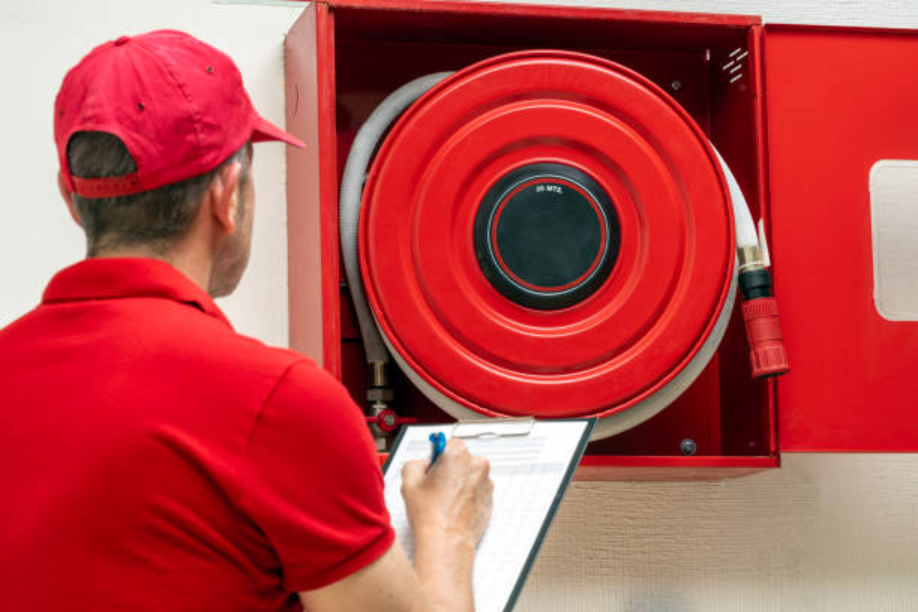
- Check fire extinguishers for pressure, expiration, and accessibility
- Inspect emergency lighting and exit signs
- Maintain fire doors, barriers, and escape routes
- Document findings for regulatory compliance and insurance purposes
Benefits of Fire Safety Compliance
- Life Protection: Reduces risk of injuries and fatalities.
- Property Preservation: Minimizes fire damage to structures and equipment.
- Legal Assurance: Ensures adherence to fire regulations and reduces liability.
- Financial Security: Maintains insurance coverage and may reduce premiums.
- Operational Continuity: Prevents business interruptions due to fire incidents.
Steps to Ensure Fire Safety Compliance
- Conduct a comprehensive fire risk assessment.
- Install appropriate fire detection, alarm, and suppression systems.
- Maintain clear evacuation routes and emergency exits.
- Train staff and occupants in fire safety procedures.
- Perform regular inspections and maintenance.
- Document compliance for legal and insurance purposes.
Conclusion
Fire safety compliance is not just a legal requirement it is a responsibility to protect lives, property, and the environment. By implementing robust fire prevention strategies, installing modern fire safety systems, conducting regular training, and maintaining equipment, property owners can mitigate risks and ensure preparedness for emergencies.
For professional guidance, system installation, audits, or compliance support, contact us today. Our team of fire safety experts will help your property meet all regulatory requirements, enhance safety, and protect what matters most.