Effective traffic management is critical for maintaining safety, efficiency, and order on roadways, especially in temporary or changing conditions. Construction zones, road maintenance projects, emergency situations, and special events all create scenarios where normal traffic flow is disrupted. In these situations, a portable traffic signal plays a vital role in controlling vehicle movement, reducing risks, and ensuring compliance. This article explores why portable traffic signals are essential for modern traffic management and how they contribute to safer and more organized roads.
Understanding a Portable Traffic Signal
What Is a Portable Traffic Signal?
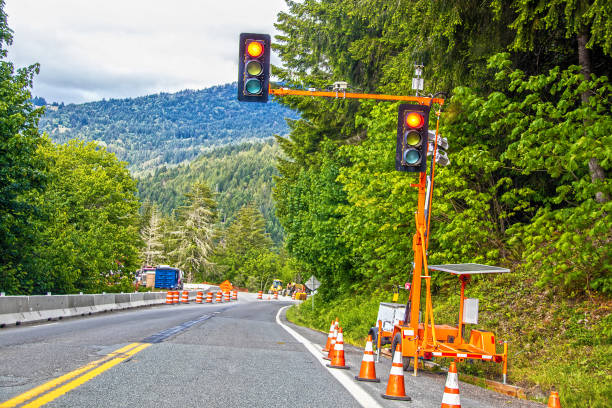
A portable traffic signal is a temporary traffic control device designed to regulate vehicle flow where permanent signals are unavailable, impractical, or temporarily disabled. Unlike fixed traffic lights, these systems are mobile, self-contained, and can be deployed quickly at various locations.
How Portable Traffic Signals Operate
Portable traffic signals typically function using programmable controllers, signal heads, and power sources such as batteries or generators. They can operate on preset timing cycles or respond to traffic demand using sensors. Their flexibility allows traffic managers to adapt signal timing based on changing road conditions.
The Role of Portable Traffic Signals in Traffic Management
Managing Temporary Traffic Disruptions
Roadwork and maintenance often require lane closures or alternating traffic flow. A portable traffic signal helps manage these disruptions by providing clear, consistent instructions to drivers, minimizing confusion and delays.
Supporting Emergency Situations
In emergencies such as accidents, natural disasters, or infrastructure failures, traffic patterns may need to change immediately. Portable traffic signals can be rapidly deployed to restore order and guide drivers safely through affected areas.
Facilitating Special Events
Parades, festivals, and sporting events often bring unusual traffic volumes and patterns. Portable traffic signals help control intersections and pedestrian crossings during these events, ensuring smooth movement and enhanced safety.
Safety Benefits of Portable Traffic Signals
Reducing the Risk of Collisions
Clear visual signals reduce uncertainty at intersections and work zones. By providing standardized red, yellow, and green indications, portable traffic signals significantly lower the risk of head-on collisions and side-impact crashes.
Protecting Road Workers
Construction and maintenance crews are among the most vulnerable road users. Portable traffic signals create predictable traffic flow, giving workers a safer environment and reducing exposure to moving vehicles.
Improving Driver Compliance
Drivers are more likely to obey traffic signals than temporary signs or hand signals. The familiar format of a portable traffic signal encourages compliance, which directly improves safety outcomes.
Efficiency and Traffic Flow Improvements
Minimizing Traffic Delays
By alternating traffic in a controlled and predictable manner, portable traffic signals reduce unnecessary stopping and waiting times. Properly timed signals help maintain steady traffic flow even in constrained conditions.
Adapting to Traffic Volume Changes
Traffic demand can vary throughout the day. Portable traffic signals can be adjusted to accommodate peak hours, off-peak periods, or sudden surges, making them highly effective for dynamic traffic environments.
Replacing Manual Traffic Control
Manual traffic control using flaggers can be inconsistent and limited by human fatigue. Portable traffic signals offer continuous, reliable operation, improving efficiency while reducing labor requirements.
Flexibility and Ease of Deployment
Quick Installation and Removal
One of the biggest advantages of a portable traffic signal is its ease of deployment. These systems can be set up and activated in a short time, making them ideal for short-term or emergency use.
Versatility Across Locations
Portable traffic signals can be used on highways, urban streets, rural roads, and temporary access routes. Their adaptability makes them suitable for a wide range of traffic management scenarios.
Scalability for Different Projects
Whether managing a single-lane closure or coordinating multiple intersections, portable traffic signals can be scaled to meet project requirements. This flexibility allows traffic managers to design effective control strategies without permanent infrastructure changes.
See also: Smart Digital Strategies for HVAC Businesses in Dallas
Compliance With Traffic Management Standards
Supporting Regulatory Requirements
Traffic management often requires adherence to established safety standards and guidelines. Portable traffic signals help meet these requirements by providing clear, standardized control devices recognized by road users.
Enhancing Visibility and Communication
Portable traffic signals are designed to be highly visible in various lighting and weather conditions. Their clear indications improve communication with drivers, reducing misunderstandings and unsafe maneuvers.
Cost-Effectiveness in Traffic Control
Lower Operational Costs
Compared to permanent signal installations, portable traffic signals require less investment and no long-term construction. They provide a cost-effective solution for temporary traffic needs.
Reducing Long-Term Maintenance Needs
Since they are used only when needed, portable traffic signals minimize ongoing maintenance expenses. Their modular design also allows for easy repairs and adjustments.
Environmental and Community Benefits
Reducing Vehicle Emissions
Efficient traffic flow reduces idling and stop-and-go driving, which in turn lowers vehicle emissions. Portable traffic signals contribute to smoother movement through temporary bottlenecks.
Improving Community Satisfaction
Clear and effective traffic control reduces frustration for drivers and nearby residents. By minimizing congestion and enhancing safety, portable traffic signals help maintain positive community relations during disruptive projects.
The Future of Portable Traffic Signals in Traffic Management
Integration With Smart Traffic Systems
Advancements in technology are allowing portable traffic signals to integrate with sensors, data analytics, and remote monitoring. These features enable more responsive and data-driven traffic management.
Increased Demand for Temporary Solutions
As infrastructure projects and urban development continue to grow, the need for flexible traffic control solutions will increase. Portable traffic signals are well-positioned to meet this demand due to their adaptability and effectiveness.
Conclusion
A portable traffic signal is an essential tool for modern traffic management. Its ability to enhance safety, improve efficiency, and adapt to changing conditions makes it invaluable in construction zones, emergencies, and special events. By providing clear guidance, reducing risks, and supporting smooth traffic flow, portable traffic signals play a crucial role in maintaining order on the roads. As traffic challenges become more complex, the importance of portable traffic signals in ensuring safe and effective traffic management will continue to grow.